




Bulk Genipin 98% Powder (Gardenia Extract): A Sourcing Guide for R&D
These field notes come straight from our botanical extraction floor. Today, we are breaking down the procurement reality of Genipin—specifically why biomedical material formulators are desperately swapping out toxic glutaraldehyde for 98% HPLC-verified Genipin. This is technical B2B guidance for lab and procurement teams.
If your lab works with collagen scaffolds, gelatin hydrogels, or tissue engineering, you already know the massive headache that is glutaraldehyde (GTA). It cross-links proteins beautifully, but its residual toxicity forces you into endless washing cycles, and it regularly fails biocompatibility tests.
That is exactly why purchasing desks are scrambling to source Genipin. It is a natural, highly efficient cross-linking agent derived from the Gardenia jasminoides fruit. But buying generic "Gardenia extract" instead of 98% purified Genipin is a fast way to ruin an expensive batch of biomaterials. Here is the operational breakdown of what you actually need to check on the spec sheet before cutting a purchase order.
Reading the 98% Genipin Spec Sheet
Pull the COA for our Genipin 98%, and you'll see hard chemistry. Genipin isn't just squeezed out of a berry. We extract Geniposide from the gardenia fruit, and then run an aggressive enzymatic hydrolysis using beta-glucosidase to cleave the sugar molecule and yield pure Genipin aglycone. Here are the numbers:
-
Assay (Purity): ≥ 98.0% Genipin (verified strictly by HPLC).
-
Botanical Origin: Gardenia jasminoides Ellis (fruit).
-
Chemical Nature: An aglycone derived from an iridoid glycoside.
-
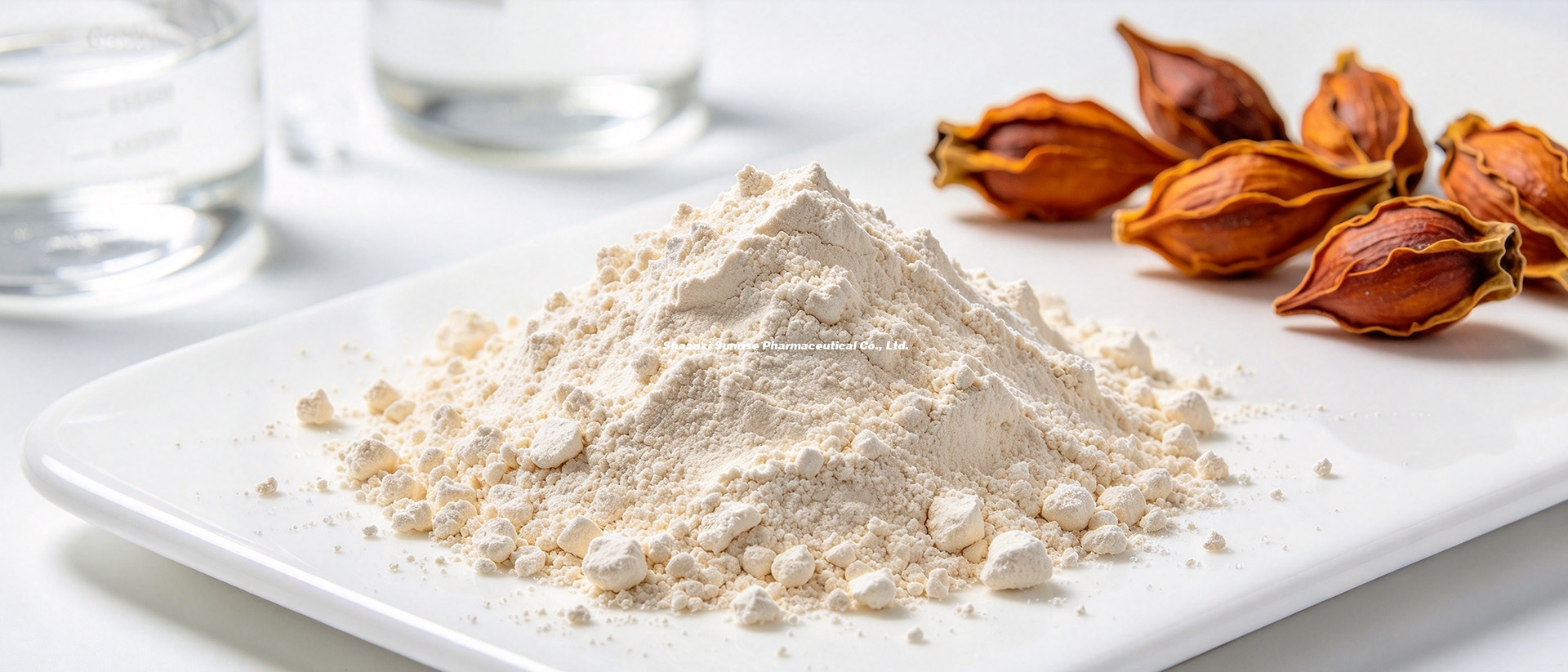
Physical State: Off-white to pale yellow crystalline fine powder.
-
Solubility Profile: Soluble in ethanol, methanol, and ethyl acetate. Slightly soluble in water.
The Cross-Linking Reality: Genipin vs. Glutaraldehyde (GTA)
I see R&D teams try to cut corners with cheaper chemical cross-linkers all the time. Ultimately, the regulatory and safety teams pay the price. Here is why the 98% Genipin fraction is rapidly becoming the industry standard for high-end biomedical applications.
| Formulation Metric | Genipin ≥ 98% (Natural) | Glutaraldehyde (Synthetic GTA) |
|---|---|---|
| Cytotoxicity | Extremely low (approx. 10,000 times less toxic than GTA). | Highly toxic. Requires heavy post-process washing. |
| Cross-Linking Efficiency | Excellent. Forms stable networks with primary amines. | Excellent, but prone to calcification in vivo. |
| Biocompatibility | Outstanding. Promotes cell adhesion and proliferation. | Poor. Often triggers inflammatory tissue responses. |
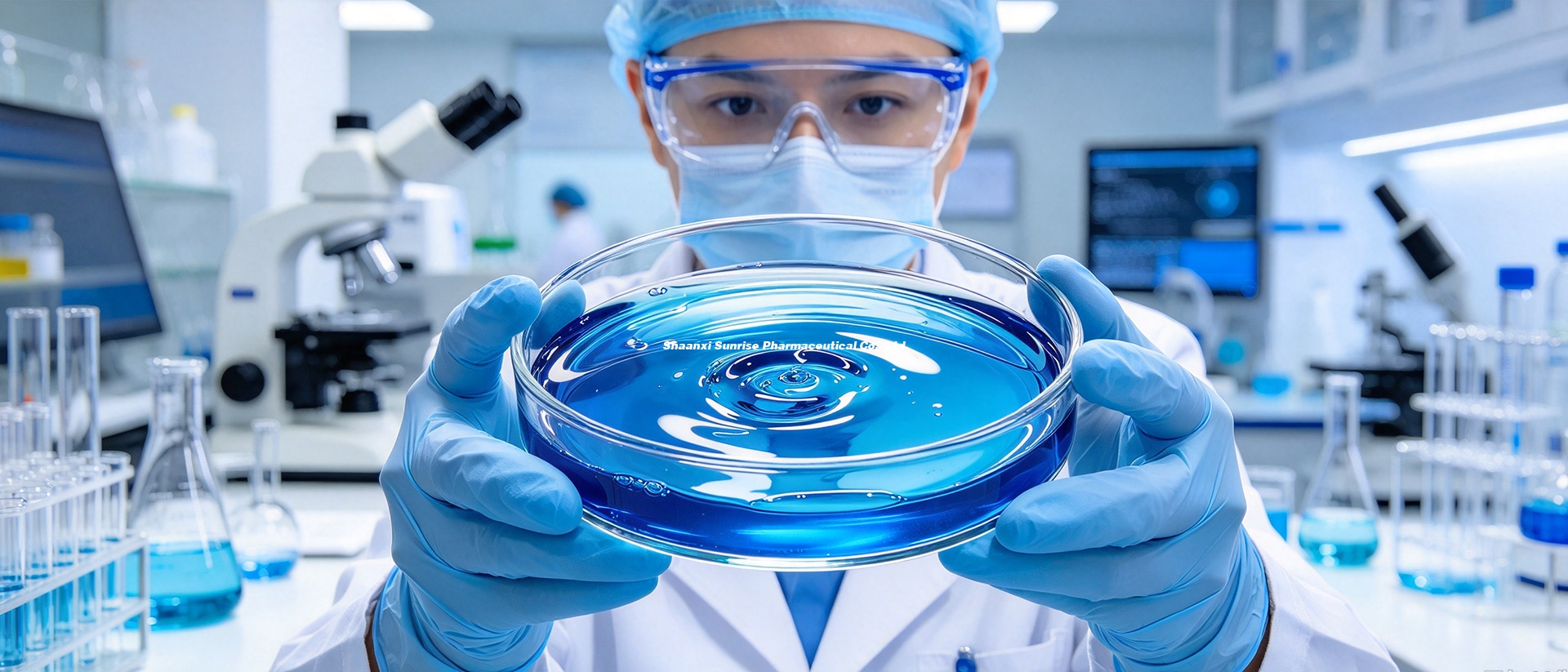
| Visual Reaction | Spontaneously turns dark blue upon reacting with amino acids. | Causes a harsh yellowing or browning effect over time. |
Where Contract Labs Are Deploying It
Because it naturally binds proteins without leaving a toxic chemical footprint, Genipin is moving heavy volume in three specific industrial sectors:
-
Biomedical Engineering: The premier natural cross-linker for collagen matrices, gelatin hydrogels, chitosan films, and bone repair scaffolds.
-
Natural Food Colorants: Reacted with specific amino acids in a controlled environment to produce Gardenia Blue, a highly stable, heat-resistant natural blue pigment used in food and beverages.
-
Pharmaceutical Formulations: Explored as a botanical active for its hepatoprotective (liver-protecting) and anti-inflammatory properties in targeted supplement blends.
How to Audit a Genipin Supplier
Enzymatic hydrolysis and alkaloid/aglycone extraction require tight solvent control. If a supplier stutters on these parameters, walk away.
-
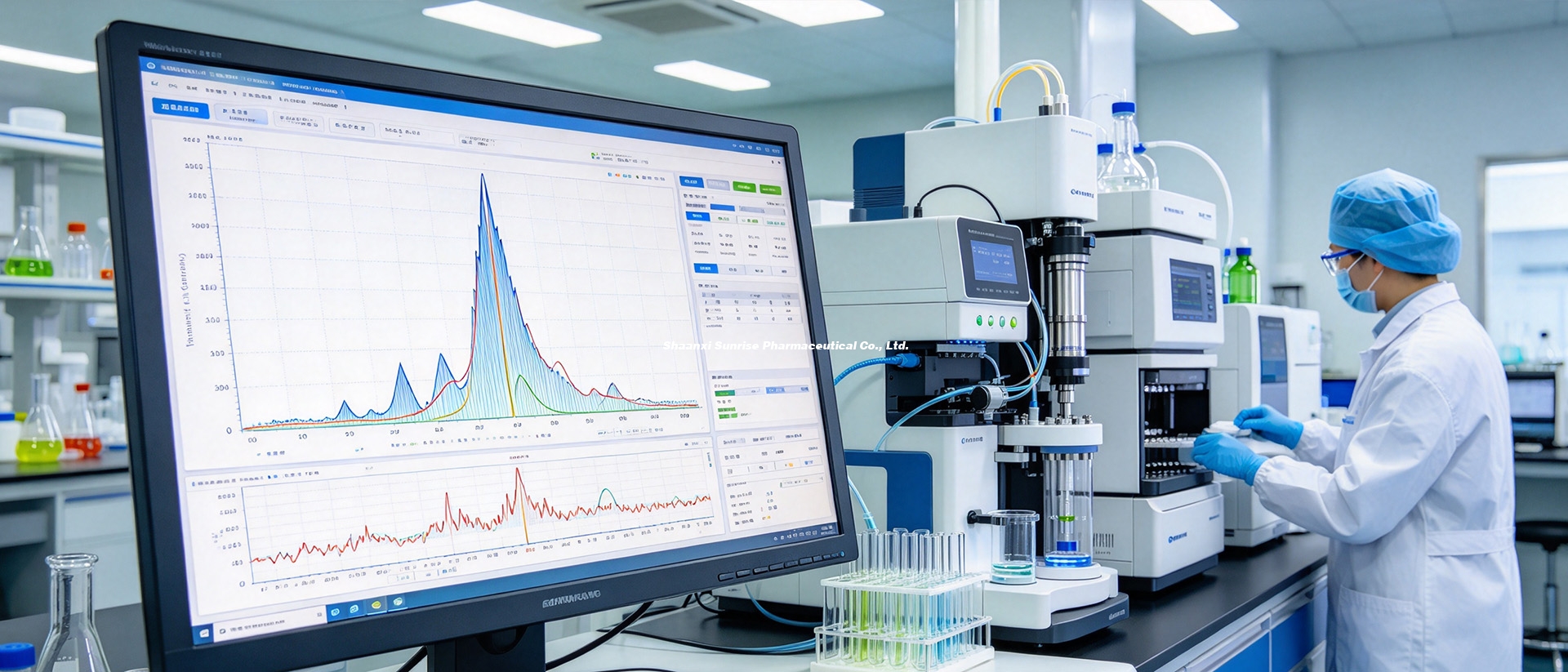
Demand the HPLC Chromatogram. Never accept a generic "UV spectrophotometry" test for a 98% purity claim. Genuine Genipin must be verified via High-Performance Liquid Chromatography (HPLC) to prove the peak matches the reference standard.
-
Check the Residual Solvents. Extracting and purifying Genipin to 98% involves organic solvents. Your supplier’s COA must explicitly prove those residual solvents are stripped out well below USP/EP safety limits.
-
Verify Storage Conditions. Genipin is light and heat sensitive. It should arrive sealed in opaque packaging and must be stored in a cool, dry place. If the powder you receive is already turning blue/green in the bag, it has been exposed to moisture and amines.
-
Iron out logistics. We ship 100g to 1kg aluminum foil bags for pilot lab runs and 25 kg fiber drums for full commercial batching. Ensure the supplier can handle your scale-up without suddenly extending lead times by a month.
Want to evaluate this natural cross-linker for your next biomaterial build? Check the exact specifications on our Genipin 98% product page, or browse the rest of our botanical extractions under the Products directory.
Questions From the Procurement Desk
Why is my Genipin turning blue during formulation?
That is the defining chemical reaction of Genipin. When it comes into contact with primary amines (like the amino acids found in proteins, collagen, or gelatin), it cross-links and spontaneously produces a dark blue pigment. This is normal and indicates the cross-linking is actively occurring.
Is Genipin soluble in water?
It is only slightly soluble in cold water. For lab and formulation work, it is highly recommended to dissolve Genipin in a small amount of ethanol, methanol, or a suitable buffer solution before introducing it into your main aqueous mixture.
Do you sell retail Gardenia Blue pigment?
No, we operate purely as an upstream B2B extraction factory. We supply the raw, bulk Genipin 98% powder to contract labs, biomaterial researchers, and pigment manufacturers so they can run their own reactions.
What testing method do you use to guarantee the 98% purity?
We rely exclusively on HPLC (High-Performance Liquid Chromatography) against verified reference standards to confirm the 98.0 percent minimum assay. We do not use less accurate UV methods for high-purity isolations.
Do you provide residual solvent testing for customs clearance?
Absolutely. Every drum that leaves our dock comes with a full Certificate of Analysis detailing heavy metals, microbiology, and residual solvent limits, plus the commercial invoice and MSDS required for swift global customs clearance.